
Logo
Get Estimate

Catch Basin and Area Drain Installation and Repair in California

Stop yard flooding with drainage built for your property


Catch Basin and Area Drain Installation and Repair in California gives homeowners, property managers, and commercial sites a dependable way to collect and redirect surface water. We install basins and area drains, clear clogged inlets, and repair failed connections before standing water threatens lawns, walkways, or foundations. Our crew adjusts each layout to the property's grading, soil, and local stormwater requirements, then tests the flow so you can see where the water goes.

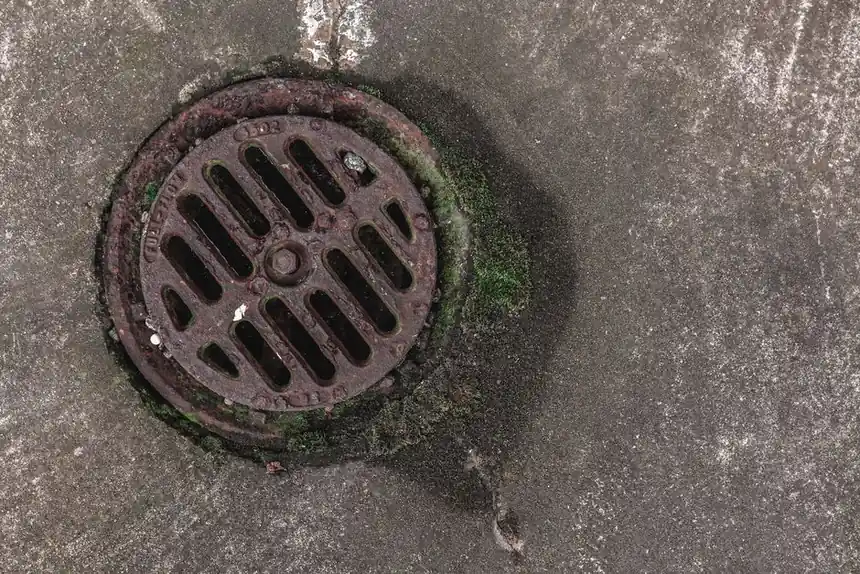
Close-up photo of a rusty drain grate with moss, offering a textured urban look.
Licensed Licensed & Bonded
Fully Insured Insured & Bonded
24/7 Emergency Same-Day Response
Warranty Backed Workmanship Guaranteed

What Catch Basin Service Includes

Our service covers diagnosis, basin and grate installation or repair, compatible pipe connections, and a final flow test. We also check grading around the inlet and remove construction debris from the work area. If a larger drainage line, concrete restoration, or a separate system is needed, we explain how that work affects the plan and price before proceeding.

Site and Grade Assessment

We identify the low points, observe how runoff crosses the property, and measure elevations along the proposed route. This assessment helps us put the inlet where it can collect water and avoid installing a basin that sits above the true flow path.
Basin and Grate Work

We install or repair the collection chamber, outlet opening, and grate, setting the assembly to the surrounding finished surface. The basin size and grate style reflect expected runoff, debris, and how people use the area.

Pipe Connection and Flow

We connect the basin to the drain line with compatible pipe fittings and couplings, then check alignment and slope before backfilling. A water test confirms that the line carries runoff away without an immediate backup.

Blockage and Damage Repair

We remove accessible debris, inspect for obstructions, and repair failed connections or damaged sections where needed. If a blockage extends beyond the basin, we trace the line rather than treating the visible grate as the whole problem.

Cleanup and Maintenance Guidance

After testing, we clear loose debris and restore the disturbed work area included in the job. We show you how to lift the grate safely, what buildup to remove, and when to check the basin before seasonal storms.

Catch Basin and Area Drain Installation and Repair in California


Catch Basin and Area Drain Installation and Repair in California is a surface-water drainage service that collects runoff at low points and carries it through a connected pipe to an approved discharge location. We set the basin or grate at the right elevation, shape the surrounding grade, and connect solid PVC pipe or another suitable drain line. A properly sized catch basin traps leaves and sediment before they block the outlet. We use a laser level to establish consistent fall, check connections, and run water through the finished system before restoring the surface.

California properties face sharply different drainage demands: winter storms in the north, intense seasonal downpours in inland areas, and dry, compacted soils that shed water quickly elsewhere. A low patio, driveway edge, or lawn depression can turn into yard flooding after a short storm. Our California catch basin repair services address broken grates, shifted basins, and clogged outlets; new installations address poor surface grading and repeat pooling. If you need catch basin and area drain installation for a yard in California, we map the water path first, then build a system around your site.

What to Expect on Installation Day

Catch basin and area drain work in California starts with tracing the runoff and ends with a flow test. We explain the route, protect nearby surfaces, and keep you informed as the crew moves from diagnosis to excavation, installation, and cleanup. A straightforward repair often fits into one workday; larger systems take longer.

01

Schedule

Call or book online — a real human picks up and confirms a 2-hour arrival window.

02

Diagnose

Licensed tech inspects on-site, then walks you through the cause and your options.

03

Fix

The job is completed to code and done right the first time — no shortcuts, no surprises.

04

Guarantee

Every job backed by a written workmanship warranty — and we stand behind it.

Tools and Installation Methods

Tools & Equipment

Pipe inspection camera

We use the camera to view accessible sections of a drain line and identify debris, cracks, separated joints, or standing water that signals poor slope.

Locating sonde and receiver

The sonde helps us trace an accessible buried line from above ground, making it easier to plan a targeted repair and reduce unnecessary trenching.

Laser level

We use a laser level to compare elevations along the inlet and pipe route, keeping the drain pitched toward its outlet rather than leaving a water-trapping belly.

Trenching machine

For suitable access and soil, a trenching machine opens a consistent narrow path for drain pipe, limiting the excavation footprint compared with broad hand digging.

Hydro jetter

A hydro jetter can clear suitable drain lines of accumulated sediment and organic debris. We first check the pipe condition so cleaning pressure is appropriate for the line.

Methods & Standards

Elevation-controlled installation

We establish the inlet and outlet elevations before setting the basin, then check the pipe route as it is laid. The goal is a continuous fall that carries water away without creating low sections where sediment can settle. We verify the grate against the surrounding finished surface.

Camera-guided fault finding

When a basin fills or drains slowly, we inspect the accessible downstream pipe before choosing a repair. Camera findings can distinguish a removable blockage from a damaged section. We then focus excavation on the affected location and retest the line after clearing or repair.

Code and site review

We consider applicable California Building Standards Code provisions, local stormwater management requirements, and relevant ASTM standards for drainage geotextiles and pipe. Requirements vary by project and jurisdiction, so we evaluate the property and proposed discharge route rather than assuming one detail applies statewide.

Stable bedding and backfill

We support the basin and pipe with suitable bedding, using drainage gravel or washed rock where the design calls for it. Backfill is placed to limit movement around the connection. Proper support helps keep the inlet at grade and reduces the chance of a settled grate or separated joint.

When a Catch Basin Helps

01

A flat backyard collects runoff in one persistent dip that remains soggy after the storm ends.

What we do: We measure the low area, check the surrounding grade, and position an inlet where water naturally gathers. Our crew connects the basin to a suitable outlet and adjusts the surface around the grate so runoff enters instead of bypassing it. We test the line before restoring the lawn.

→ Water has a defined collection point, reducing prolonged puddling and helping the lawn dry between storms.

02

A paved driveway slopes toward the garage and sends rainwater across the threshold.

What we do: We assess the driveway's pitch and available connection route, then install or repair a collection point before water reaches the garage. Where a narrow linear opening fits better, we may connect a channel drain to a catch basin or outlet. We confirm the grate sits flush with the paving.

→ Runoff is intercepted before it reaches the garage entrance, and the finished surface remains usable for vehicles and foot traffic.

03

Leaves and sediment repeatedly block a yard inlet beneath mature trees.

What we do: We inspect the basin chamber, grate, and pipe outlet to see whether debris is the only issue or a damaged line is also restricting flow. We clear accumulated material, repair any failed connection, and select an accessible grate configuration suited to the location and maintenance needs.

→ The inlet is easier to inspect and clean, while the connected pipe can carry water without debris immediately choking the outlet.

04

A commercial walkway develops standing water near an entrance during seasonal storms.

What we do: We evaluate the contributing paved area, foot traffic, grate position, and discharge route. Our crew sizes the collection point for the site and sets it to the finished walking surface, then tests drainage under flowing water. We coordinate the installation around the area's access needs.

→ The entrance has a clear runoff path and fewer water-covered sections that can disrupt customers or staff.

How California Sites Shape Drainage Work

Catch Basin and Area Drain Installation and Repair in California changes with weather, terrain, and the built environment. Northern and coastal communities prepare for extended winter rain, while inland properties can face intense bursts of runoff after long dry periods. Compacted or disturbed soil sheds water quickly; sloped lots can send it toward a garage or neighboring boundary. We inspect how roofs, driveways, patios, and planted areas contribute before choosing an inlet location. Older properties may have shallow utilities or undocumented drain lines, while newer subdivisions often have tight side yards and extensive hardscape. We use line locating and measured grades to plan around those constraints. Local stormwater management requirements also affect where collected water may discharge, so we check the site conditions and applicable rules before connecting a new line. If your property needs yard inlet and basin drainage installation California homeowners can rely on, we size the collection point for its contributing surface and test the finished route. We serve residential, commercial, and shared properties across the state, adapting the work plan to access, soil, and runoff rather than using a single standard layout.

Neighborhoods We Serve

  • Older residential blocks

    Mature landscaping and additions can conceal older drain routes. We locate accessible lines and check the discharge path before opening a trench near established trees or paving.

  • Newer subdivisions

    Narrow side yards and broad paved driveways leave little room for runoff to spread. We plan inlet positions and equipment access carefully to protect finished surfaces.

  • Hillside properties

    Steeper grades can accelerate runoff and concentrate it at retaining walls or low patios. We trace the flow and set collection points to intercept water without redirecting it onto adjacent property.

  • Commercial walkways

    Entrances and loading areas need grates set flush with the walking surface. We account for pedestrian use, debris, and the route to a permitted discharge point.

Local Conditions We Plan For

  • Winter rain arrives after long dry periods and compacted soils.

    Hard, dry ground may absorb water slowly, sending more runoff across paving and lawns. We check the contributing area and inlet capacity, then confirm that the outlet can move water at the expected flow.

  • Sloped lots concentrate runoff at foundations and retaining edges.

    Water can gather quickly at the bottom of a grade or wash soil from planting beds. We locate collection points carefully and verify that the discharge route carries water away without creating erosion elsewhere.

  • Local stormwater requirements differ by project location.

    A suitable discharge point for one property may not be acceptable at another. We review applicable local requirements and the physical route before connecting a new basin or changing an existing outlet.

Patio Puddle Replaced by Drainage

Before

A low patio corner held water after winter storms, leaving a slick surface and wet soil against the planting bed. The old inlet sat slightly above the paving, so runoff passed around it. Leaves also collected over the grate, making the problem worse during heavy rain.

After

We reset the inlet at the actual low point, connected the outlet with a continuous fall, and tested it with flowing water. The finished grate sat flush with the patio, and water reached the basin rather than spreading along the edge. The surrounding soil and paving were restored after the test.

Maintenance: Lift the grate twice a year and remove leaves or sediment before they cover the outlet. Check after a major storm; if the basin remains full, arrange an inspection before the next rainfall.

Before

Rainwater followed a sloped driveway toward the garage door, then spread across the threshold. A small existing drain was clogged and its pipe connection had shifted. Clearing the grate alone did not keep water from returning during the next storm.

After

We repaired the connection, set the collection point to the driveway's finished elevation, and checked the downstream line. The flow test showed water entering the inlet and moving away from the garage. The repaired surface remained level with the surrounding paving, with no raised grate edge.

Maintenance: Keep the grate clear of leaves, gravel, and driveway debris. Inspect the basin before winter rain and after major storms, and watch for new settling around the frame.

Before

A lawn depression stayed wet for days after rain, and foot traffic turned the soft area into a muddy track. The nearest drain was several feet away and sat higher than the puddle, so water had no practical route into the system.

After

We set a new basin at the collection point and connected it to a verified outlet with a measured pipe fall. After testing, the low area drained toward the grate instead of holding a broad puddle. The lawn was restored around the inlet, which remained accessible for routine cleaning.

Maintenance: Remove grass clippings and leaves from the grate and inspect the basin at least twice yearly. Avoid covering it with mulch or soil, and check for settlement after heavy rain.

Fix the Source of Yard Flooding

Area drain repair for standing water in California starts by finding why runoff is not reaching or passing through the inlet. We inspect the grate, chamber, line, grade, and discharge path, then address the cause. That approach helps prevent repeat pooling instead of shifting water to another part of your yard.

Problem

Water pools around a low lawn area after every storm.

Standing water can leave turf soggy, damage roots, attract insects, and gradually erode the edges of planting beds or paths.

Our Fix

We identify the actual low point and determine whether water needs a new inlet, corrected grading, or a repaired downstream line. We set the basin to collect runoff without creating a raised trip edge, connect it to a suitable outlet, and test flow before restoring the lawn.

Problem

A catch basin fills with water but drains very slowly.

A clogged outlet can send water over the grate and back across paving, where it may reach a garage, doorway, or foundation.

Our Fix

We remove accessible debris and inspect the outlet for a blockage, damaged connection, or poor pipe fall. A drain snake or camera inspection helps us locate the fault. We clear or repair the affected line, then run water through the basin to confirm that it empties properly.

Problem

Runoff crosses a driveway and collects near the garage.

Repeated water exposure can stain paving, wash out joints, and leave a slippery approach at the garage threshold.

Our Fix

We check the driveway slope and locate the point where runoff can be intercepted. Depending on the layout, we install or repair a catch basin or connect a channel drain to the line. The finished grate is set to the paving elevation, and the flow test confirms water moves away from the entrance.

Problem

A buried yard drain backs up despite a clean grate.

Cleaning the visible inlet will not solve a crushed, separated, or obstructed pipe, so the next storm can produce the same flooding.

Our Fix

We inspect the connected route with a pipe inspection camera where access permits, then locate the problem before excavation. We repair the failed section or clear the obstruction, check the outlet, and verify the system with water. This avoids replacing a sound basin when the failure lies farther downstream.

Keep Runoff Away From Your Home

Keep Runoff Away From Your Home

A well-placed inlet catches water where it gathers, before it crosses a walkway or sits against the house. We size the collection point and pipe for the surface area it serves, then check the finished grade with measuring tools. You get a drainage fix that addresses the water's route, not just the visible puddle.

  • Less Standing Water

    A basin placed at the actual low point gives runoff a clear entry instead of letting it spread across your lawn. We check slope over the collection area and confirm flow with a controlled water test. For catch basin and surface drain services in California, that means solving the puddle's source rather than repeatedly pumping water away.

  • Protected Foundations

    Water pooling beside a foundation can saturate soil and find weak points around walls or slabs. We position inlets to intercept runoff and route it away from vulnerable areas, while keeping discharge compliant with site requirements. The result is a measured path for water instead of an uncontrolled stream beside your home.

  • Fewer Drain Blockages

    A catch basin provides an accessible place for leaves, grit, and landscape debris to settle before they enter the pipe. We check the basket, grate, outlet, and downstream line during service. Regular seasonal cleaning, especially before winter rain, helps keep the drain working and makes a small maintenance visit easier than clearing a buried obstruction.

  • Safer Outdoor Surfaces

    A soggy lawn and water-covered paving create slippery routes and damage planted areas. We correct inlet height and surrounding grade so surface water reaches the drain without leaving a raised edge or hidden dip. You get a more usable yard after storms, with less erosion from uncontrolled runoff along paths and beds.

Licensing and Work Standards

Licensed & Certified

  • California State Contractor License — issued by California Contractors State License Board
  • C-36 Plumbing Contractor classification — issued by California Contractors State License Board
  • C-8 Concrete Contractor classification — issued by California Contractors State License Board
  • OSHA excavation safety requirements — issued by Occupational Safety and Health Administration

Verified Reviews

Google ★★★★★4.9

The crew found why our basin kept overflowing instead of just scooping out the leaves. They inspected the connected pipe, repaired a loose joint, and tested the flow before restoring the garden edge. The water now clears after rain, and they showed us how to keep the grate open.

Yelp ★★★★★5.0

We had standing water near the garage and wanted it handled before the next storm. The team checked the driveway grade, installed the inlet, and left the grate level with the paving. They explained the route and cleaned up the work area. The next rain reached the drain instead of the garage.

Google ★★★★★5.0

Our yard drain was slow even after we cleared the basin ourselves. The technician checked the line, found a blockage farther down, and cleared it. We saw the water move through during the final test. The explanation was direct, and the crew left the lawn area tidy.

Practical Drainage Expertise

Catch basin work depends on grading, pipe layout, and sound connections, not simply placing a box in a puddle. Our technicians diagnose the whole route and match the repair to the failure, whether a grate is damaged, a line is obstructed, or the ground sends water toward the house. We follow applicable California Building Standards Code requirements and local stormwater management requirements. Our team works with drainage products from NDS, ACO, ADS, and Advanced Drainage Systems, selecting components for site conditions rather than brand alone.

  • We use a pipe inspection camera to inspect accessible drain lines and pinpoint cracks, root intrusion, or accumulated debris.
  • A locating sonde and receiver helps trace buried pipe routes before we plan excavation and reduce unnecessary disturbance.
  • We select drainage gravel and washed rock to support basin and pipe bedding where the design calls for aggregate.
  • Our crew checks pipe materials and drainage geotextiles against applicable ASTM standards and the project requirements.
  • We follow OSHA excavation safety requirements and verify applicable California Contractors State License Board licensing before work.
Get Started Today
Practical Drainage Expertise

Cities We Serve Across California

Our statewide coverage brings catch basin installation and repair to homes, businesses, and shared properties across California. The crew adapts each job to local rainfall, soil, slope, access, and stormwater requirements, from coastal neighborhoods to inland communities. Our catch basin and surface drain services in California include new installations, clogged inlet repairs, line troubleshooting, and flow testing. Choose your city below to explore service details tailored to local property conditions.

Mission Viejo

We assess patio and lawn low points, then set basins to collect runoff before it reaches walkways or foundations. Each installation is checked for grade and flow.

Anaheim

For Anaheim properties, we inspect driveway runoff, landscape inlets, and existing drain connections. We repair clogs or install collection points suited to the paved and planted areas.

Moreno Valley

We plan around hard surfaces and concentrated runoff, placing basins where water gathers and confirming the outlet route. Testing helps verify that the system carries water away from the home.

Vallejo

Our crew checks slopes, older drain connections, and debris-prone inlets before choosing a repair. We set grates level with surrounding surfaces and test flow after service.

Roseville

We handle clogged basin outlets, low yard areas, and new drain installations in Roseville. Each job includes a grade check and a water test before the work area is restored.

Santa Clara

For compact lots and paved side yards, we plan the route around access and existing surfaces. We install or repair the inlet, connect the line, and confirm drainage.

Murrieta

We trace runoff across lawns, driveways, and patios to find the collection point that will intercept it. The finished basin is set to grade and tested under flowing water.

El Monte

We inspect existing inlets for sediment, damaged connections, and poor pipe fall. Repairs focus on restoring flow while keeping the grate aligned with the surrounding yard or paving.

Vista

Our team accounts for sloped properties and concentrated runoff when setting a basin. We check where water can discharge and test the complete route before cleanup.

Westminster

We help intercept water that collects along patios, walkways, and flat yard areas. Each repair includes an inlet check, pipe assessment, and a final flow test.

Mountain View

We plan catch basin work around tight access, paved areas, and existing landscaping. A measured grade and verified pipe connection help keep runoff moving away from structures.

Upland

We trace water across sloped yards and hardscape, then place or repair the basin at the point that collects runoff. The outlet is checked before the trench is restored.

Pittsburg

We inspect basin grates and connected lines for debris or damage, then repair the actual cause of slow drainage. New installations include a grade check and water test.

Walnut Creek

Our crew evaluates landscaped slopes, paved routes, and low areas before selecting an inlet location. We confirm that the connected line carries water to its intended outlet.

Castro Valley

We adapt installation and repair plans to yard access, slope, and existing drain lines. The team tests the basin and pipe together so you can see that runoff moves.

Catch Basin and Area Drain FAQs

Real answers to the questions we hear most often from local homeowners and property managers.

How much does catch basin installation cost in California?
A basic residential catch basin installation often costs $1,200-$3,500 in 2026, depending on excavation, pipe length, surface restoration, and outlet access. A short replacement in accessible soil costs less than a new line beneath concrete or a long run across a sloped yard. We inspect the route and explain upfront pricing before work. The cost to install a yard catch basin in California also changes with basin size, grate rating, and local discharge requirements.
Who repairs area drains near me in California?
A qualified drainage contractor who can inspect the inlet, connected pipe, and discharge route repairs area drains in California. We clear debris, check for broken or separated joints, and use a camera when the blockage is not visible from the basin. Ask whether the crew verifies flow after the repair and follows applicable licensing and safety requirements. For a blocked line, diagnosis matters: cleaning alone will not correct a crushed pipe or poor grade.
What is the difference between a catch basin and an area drain?
A catch basin is a collection chamber that captures runoff and often holds sediment, while an area drain usually describes the grate or inlet that collects surface water. Some systems combine both functions in one assembly. We choose the configuration based on debris load, water volume, available depth, and access for cleaning. A catch basin is useful where leaves and grit are common; a low-profile area drain can suit patios and other paved surfaces.
How often should a yard catch basin be cleaned?
Inspect a yard catch basin at least twice a year and clean it when debris covers the outlet or sediment fills roughly one-third of the chamber. Check it before the first fall or winter storms and again after a major downpour, especially beneath trees. Remove leaves and grit without pushing them into the pipe. If water remains in the basin after rain, have the outlet checked for a clog or damaged connection.

More Ways to Manage Runoff

Yard Drainage Inspection and Diagnosis

We trace pooling and runoff to distinguish a blocked inlet from poor grading, a damaged pipe, or an undersized system. Inspection gives your catch basin repair a clear starting point and helps avoid digging where the line is still sound.

View Yard Drainage Inspection and Diagnosis

Yard Drainage Repair

A damaged connection, collapsed section, or clogged outlet can stop a basin from draining. We identify the failure, repair the affected part, and test the system so your catch basin and connected yard drains work together.

View Yard Drainage Repair

Yard Drainage Installation

When a yard has no effective collection point, we design and install the inlet and piping around its grading and discharge route. A new basin can work alongside other drainage features to control runoff before it reaches the house.

View Yard Drainage Installation

Landscape Drainage Solutions

Landscape beds, retaining edges, and paved areas each direct water differently. We combine suitable inlets and pipe routes with the existing layout, helping protect plants and hardscape without creating a new low spot or redirecting runoff toward a neighbor.

View Landscape Drainage Solutions

French Drain Installation and Repair

A French drain manages subsurface water, while a catch basin collects water flowing across the surface. We can assess both when a yard stays wet after rain, then recommend a connected approach if groundwater and surface runoff are contributing.

View French Drain Installation and Repair

Trench Drain Installation and Repair

A trench drain collects water across a longer, narrow opening, such as along a driveway or garage threshold. We connect it to a suitable outlet and can pair it with a catch basin where debris collection or a change in direction is needed.

View Trench Drain Installation and Repair

Get Catch Basin Repair in California

A clogged inlet or recurring puddle will not correct itself. We inspect the basin, trace the connected line, and test the drainage after the repair. Call our team to discuss your property and arrange service.

Call Today Request Service

Talk With Our Team

Tell us where water collects, when you first noticed it, and whether it follows rain or irrigation. Call Northern California Drainage Experts at +13103881903 to discuss yard drainage work across California. Our phone line is open Monday through Friday, 8:00 a.m. to 6:00 p.m.; we will hear the details and help identify the next step.

Or call us right now at +13103881903 — we answer.

Northern California Drainage Experts


  • Phone

    +13103881903
  • Address

    California

  • Hours

    Mon–Fri: 7AM – 7PM
    Sat: 8AM – 4PM
    Sun: Emergency Only
    24/7 Emergency Available

Call +13103881903 Get Quote
Call Quote