
Logo
Get Estimate

French Drain Installation and Repair in California

Keep runoff away from foundations, lawns, and walkways


French Drain Installation and Repair in California gives homeowners and property managers a way to control subsurface water before it saturates a lawn, pools beside a foundation, or undermines a walkway. We inspect the drainage path, identify whether the problem is a failed pipe or poor grading, and install or repair a system sized for the site. From Sacramento to Indio, our team adapts the work to local soil, rainfall, and access.

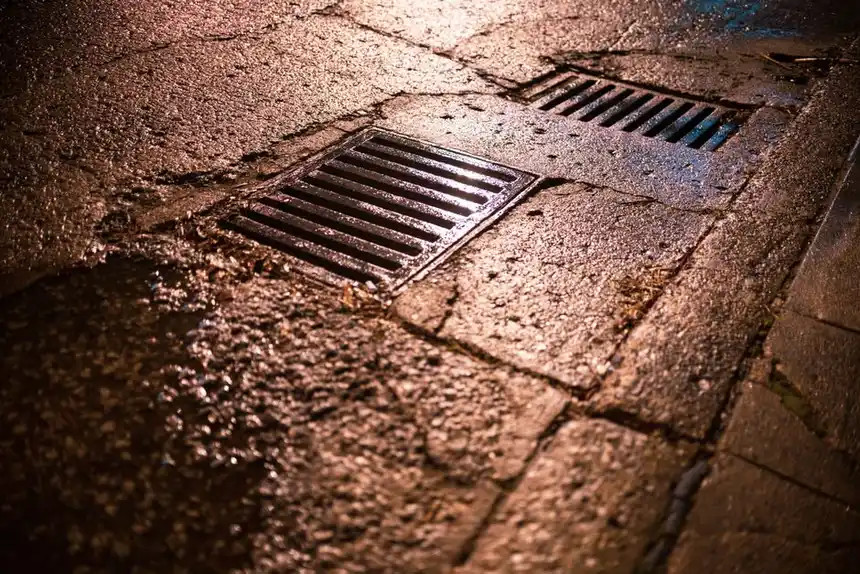
Nighttime shot of wet asphalt road with drainage grates reflecting light.
Licensed Licensed & Bonded
Fully Insured Insured & Bonded
24/7 Emergency Same-Day Response
Warranty Backed Workmanship Guaranteed

What French Drain Service Includes

Our French drain service covers diagnosis, system design, installation or targeted repair, and a final flow check. We identify the route and outlet before excavation, choose components for the site, and restore the agreed work area. If a larger surface collection system, concrete replacement, or unrelated utility repair is needed, we explain that as separate work before proceeding.

Drainage Assessment

We inspect wet areas, grades, downspout discharge, existing drains, and available outlets. Camera and locating equipment help identify buried line problems where access allows. This assessment tells us whether you need a new French drain, a repair, or a different collection method.

Trench and Pipe Work

We excavate the planned route, prepare the trench, and install or replace suitable perforated pipe. Pipe alignment and slope are checked before the line is covered, while compatible fittings keep joints secure and reduce leakage or separation.

Aggregate and Fabric

We place drainage gravel or washed rock around the pipe and use filter fabric where the soil and design call for it. The fabric helps limit fine sediment entering the collection zone, while the aggregate creates a path for water to reach the perforations.

Outlet and Flow Test

We connect the drain to an appropriate discharge point and test flow before backfilling. The check helps reveal a poor connection, blocked outlet, or inadequate fall while the pipe remains accessible. We also show you the outlet location for future inspection.

French Drain Installation and Repair in California


French Drain Installation and Repair in California is a subsurface drainage service that collects groundwater and redirects it away from soggy areas, foundations, and other vulnerable parts of a property. We assess the water source, map the route, set a consistent fall, and use a gravel bed, filter fabric, and perforated pipe to carry water to an approved outlet. For repairs, we trace blockages, crushed sections, or failed connections before opening only the necessary area. A properly built system manages water without simply shifting the problem to a neighbor or public right-of-way.

California properties face sharply different drainage conditions: winter storms in the north, coastal moisture, clay-heavy soils, and long dry periods followed by intense runoff in inland areas. Our California French drain installation and repair starts with the site rather than a one-size layout. If you need French drain installation and repair for a soggy yard in California, we check surface grading, roof discharge, and the condition of existing drains so the new line addresses the cause, not just the visible puddle.

What to Expect From Our Process

French drain work begins with diagnosis, not a trench. We explain what we find, agree on a practical route, and keep you informed as the work moves from inspection to flow testing.

01

Schedule

Call or book online — a real human picks up and confirms a 2-hour arrival window.

02

Diagnose

Licensed tech inspects on-site, then walks you through the cause and your options.

03

Fix

The job is completed to code and done right the first time — no shortcuts, no surprises.

04

Guarantee

Every job backed by a written workmanship warranty — and we stand behind it.

Tools and Drainage Methods

Tools & Equipment

Pipe inspection camera

We guide a camera through accessible pipe to identify sediment, root intrusion, standing water, separated joints, and crushed sections. The view helps target repairs and avoid digging blindly.

Locating sonde and receiver

A locating sonde and receiver mark the position and approximate depth of a camera-equipped line from above ground. We use that information to plan a focused excavation and protect nearby hardscape.

Laser level

We use a laser level to compare elevations along the trench and check the planned fall toward the outlet. Accurate grade matters because a low or reverse section can leave water sitting in the pipe.

Mini excavator

A mini excavator removes soil efficiently where access and utility locations allow. In tighter areas, we adjust the excavation method to limit disturbance and maintain control of trench dimensions.

NDS drainage components

NDS catch basins and drainage components can support collection at surface low points. We choose compatible fittings and grates to suit the flow, access, and maintenance needs of the property.

Methods & Standards

Perforated pipe and gravel envelope

We place perforated pipe in a prepared trench, surround it with drainage aggregate, and use filter fabric when appropriate for the local soil. The pipe collects groundwater along its length and conveys it to an outlet. Trench width, depth, and grade are set for the site rather than copied from a standard sketch.

Targeted camera-led repair

When a drain fails, we inspect first and locate the fault before exposing pipe. We clear suitable blockages, replace damaged sections, and test joints and outlet flow. This method is useful when the rest of the system remains serviceable and full replacement would disturb a larger area.

Surface and subsurface coordination

A French drain does not replace every surface drain. We evaluate whether a catch basin, channel drain grate, or grading correction should collect water before it reaches the subsurface line. The combined design helps manage roof runoff, paved-area flow, and groundwater as distinct parts of one drainage plan.

Code-aware discharge planning

We review the proposed discharge route against local stormwater management requirements and applicable California Building Standards Code provisions. Water should not be directed onto a neighboring property or into an unauthorized connection. We identify outlet constraints early so the installation plan reflects what the site can legally and practically support.

When a French Drain Helps

01

A Sacramento lawn stays saturated after winter storms even though the surface appears mostly level.

What we do: We check the low area, soil, roof drainage, and available outlet, then determine whether groundwater is feeding the wet lawn. If a subsurface line is appropriate, we set a route through the collection zone and verify slope before covering the pipe.

→ Water has a defined path away from the lawn, reducing the time the ground stays soft and helping you use the yard sooner after rain.

02

A coastal property in Daly City has seepage along a retaining edge after prolonged damp weather.

What we do: We inspect the wall-side grade and existing drainage for sediment, blocked outlets, or failed joints. The repair plan accounts for limited access and directs collected water to an appropriate discharge point without excavating more of the planted area than needed.

→ The edge drains more predictably, and you have a visible outlet to check rather than a hidden line that quietly backs up.

03

An Indio property develops a wet strip where irrigation runoff meets compacted soil.

What we do: We separate irrigation overspray from groundwater and check whether the wet strip is caused by a leak, grading, or poor infiltration. Where a French drain is warranted, we build around the actual water path and confirm that its outlet will not create erosion.

→ The repair addresses the source of recurring saturation and helps keep water from collecting beside hardscape or the building.

04

A Fremont homeowner finds water pooling near a foundation after an older drain stops flowing.

What we do: We trace the buried route with locating equipment and inspect the line where access permits. If a specific section is damaged, we replace that section and reconnect it with compatible fittings; if the outlet is blocked, we clear and test it before considering broader replacement.

→ You avoid unnecessary full-length excavation and get a tested path for water away from the foundation.

How California Drainage Conditions Shape the Work

French drain installation and repair across California changes with rainfall, soil, and property layout. Northern and inland communities can see concentrated winter storms, while coastal areas often deal with persistent dampness and limited drying. In hotter, drier regions such as Indio, irrigation leaks and compacted ground can mimic a groundwater problem. We diagnose before selecting pipe or trench depth. Older properties may have undocumented lines, shallow utilities, or additions that alter the original grade, so we locate what we can before excavation. In Sacramento, Elk Grove, and Carmichael, we check winter runoff and yard lows; in Fremont, Dublin, and Palo Alto, access and existing hardscape can shape the route. Our French drain contractor California service checks the outlet against local stormwater rules and the actual receiving conditions. For French drain installation cost in California, route length, excavation access, and surface restoration are major factors. We finish with a flow test and point out the outlet so you know what to monitor after the next storm.

Neighborhoods We Serve

  • Foothill Farms

    We inspect low yard areas and existing downspout routes before laying out a trench, especially where runoff crosses a lawn toward a side-yard outlet.

  • Carmichael

    Mature landscaping and established hardscape can limit excavation access. We locate existing drainage first and plan the smallest practical repair route.

  • Manhattan Beach

    Coastal moisture and compact property lines make outlet placement important. We check how water moves around walkways and foundations before choosing a discharge path.

  • Rowland Heights

    Sloped lots can concentrate runoff at the bottom of a yard. We evaluate erosion and surface flow alongside subsurface seepage before selecting a drain layout.

Local Conditions We Plan For

  • Winter storm bursts followed by saturated ground in northern communities

    Short periods of heavy rain can overwhelm a poorly graded yard or reveal a blocked outlet. We check how quickly the property sheds surface water and make sure the French drain has an outlet that remains usable during wet weather.

  • Long dry periods and irrigation-driven wet spots inland

    A constant damp strip may come from a leaking irrigation line rather than groundwater. We inspect nearby irrigation and grading before recommending a trench, avoiding a drain installation that simply carries an ongoing leak away.

  • Coastal moisture, compact lots, and limited excavation access

    Narrow side yards, paved areas, and neighboring structures can restrict both trenching and discharge options. We locate buried lines, choose a practical route, and account for local stormwater requirements before opening the ground.

Saturated Sacramento Back Lawn

Before

A low section of lawn held standing water for two to three days after winter rain. The soil stayed soft, footprints filled with water, and the downspout emptied near the same area. The existing yard drain had no visible outlet flow, so the owner could not tell whether the issue was grading, a blockage, or a failed pipe.

After

We traced the downspout route, found a blocked section, and installed a new collection line through the wet zone. The trench followed a measured fall of about 1%, with washed rock around the perforated pipe. During the flow test, water reached the outlet without backing up, and the lawn no longer held the same persistent pool.

Maintenance: The owner checks the outlet after major storms and clears leaves from the nearby basin twice a year. We also recommended keeping downspout discharge clear so roof water does not overload the repaired line.

Before

Water collected beside the foundation after repeated rain, staining a lower wall and leaving a narrow planting bed saturated. The existing drain appeared intact from the surface, but its outlet produced little flow. The homeowner was concerned that replacing the entire buried run would damage the adjacent paved path.

After

Camera inspection identified a crushed section near a fitting, and locating equipment marked the repair point. We replaced the damaged segment, reconnected the line, and tested the outlet before restoring the bed. The repair avoided opening the full route, and the next rainfall drained away from the foundation instead of collecting beside it.

Maintenance: The homeowner keeps the outlet visible and checks it for debris after storms. Annual observation of the wall-side grade and planting bed helps catch a new drainage change before water returns.

Before

A strip of soil beside a walkway stayed wet even during a dry spell. Irrigation overspray and compacted soil fed the area, and water spread toward the building after each watering cycle. The first concern was a failed French drain, but the site had no clear evidence that one existed.

After

We traced the wet strip to its source, corrected the collection route, and installed a short perforated line with a controlled outlet. The work covered about 35 linear feet and included a flow test from the low point. Water no longer spread across the walkway during the normal irrigation cycle.

Maintenance: The property manager checks the outlet monthly during irrigation season and adjusts sprinkler heads if they spray directly onto the walkway. Keeping the collection point clear helps preserve the intended flow path.

Solve Standing Water and Drain Failures

A wet yard can come from groundwater, surface runoff, a failed pipe, or more than one source at once. We trace the water path and select a repair that addresses the cause. French drain installation and repair for a soggy yard in California should improve drainage without transferring runoff to another part of your property.

Problem

Standing water returns in the same lawn area after storms

Repeated saturation can kill grass, compact soil, attract pests, and make the yard unusable for days. Water may also migrate toward nearby foundations.

Our Fix

We compare grades and soil moisture, then install a perforated line through the collection zone if subsurface water is the cause. Drainage gravel and fabric help maintain a clear path into the pipe. We route discharge to a suitable outlet and test flow so the wet patch has somewhere to drain.

Problem

Existing French drain backs up during heavy rainfall

A blocked line can send water back toward the house, flood planting beds, or cause erosion where runoff escapes through a weak joint.

Our Fix

We inspect accessible pipe with a camera and locate the problem before excavation. A drain snake or hydro jetter may clear suitable obstructions; crushed pipe, separated couplings, or a failed outlet need repair. We check the system again after clearing or replacement to confirm water can pass through.

Problem

Foundation water pooling persists despite roof gutters

Pooling can seep into low openings, stain interior walls, soften adjacent soil, and complicate future repairs if the source remains unchecked.

Our Fix

We inspect gutter discharge, surface grading, and buried drainage together. If groundwater is collecting beside the building, we plan a French drain route that moves water away without undermining the footing. We also check the final discharge point and applicable local requirements before connecting the line.

Problem

Erosion cuts across a slope below a wet area

Uncontrolled runoff can expose roots, wash out soil, damage paths, and carry sediment into neighboring low points or stormwater features.

Our Fix

We determine whether the slope needs subsurface interception, surface collection, or both. A French drain can capture seepage before it reaches the exposed slope, while a separate surface inlet may handle direct runoff. We set the route to reduce concentrated discharge and protect the surrounding grade.

Practical Results for Wet Properties

Practical Results for Wet Properties

A drainage system should solve the water problem you can see and the one feeding it below ground. We plan the route around your property, protect useful landscaping where possible, and verify that water moves toward a safe discharge point.

  • Drier Lawn After Rain

    A French drain intercepts subsurface water before it leaves a lawn saturated for days. We position the trench along the wettest zone and check fall with a laser level; a common design target is roughly 1% slope where site conditions and outlet elevation permit. That helps your yard drain without creating a fast, erosive flow.

  • Less Foundation Pooling

    Water collecting beside a foundation can enter low openings, damage finishes, or soften surrounding soil. We route drainage away from the structure and coordinate the outlet with local stormwater management requirements. You get a defined path for runoff instead of repeated pooling beside the same wall.

  • Repairs With Less Guesswork

    A pipe inspection camera and locating sonde and receiver help us find a blockage or damaged section before excavation. That means we can focus repair work on the failure point rather than digging the full length of a line. For many properties, pinpointing the fault reduces disruption to paving and planting.

  • A Better-Fitting System

    Soil, slope, rainfall, and usable outlets vary by property, even within the same city. We select perforated PVC pipe or corrugated HDPE drain pipe to suit the layout, then size drainage gravel and filter fabric around the site conditions. The system is built for the water it needs to handle.

Credentials and Work Standards

Licensed & Certified

  • California State Contractor License — issued by California Contractors State License Board
  • C-36 Plumbing Contractor classification — issued by California Contractors State License Board
  • C-8 Concrete Contractor classification — issued by California Contractors State License Board
  • OSHA excavation safety requirements — issued by Occupational Safety and Health Administration

Verified Reviews

Customer feedback Not stated

A Sacramento homeowner described a recurring wet lawn that stayed soft after storms. Our crew traced the line, corrected the drainage route, and tested the outlet before restoring the trench. The customer appreciated seeing the problem identified before excavation and knowing where to check for debris after rainfall.

Customer feedback Not stated

A Fremont customer reported pooling beside a foundation and concern about disturbing a paved path. Camera inspection located one damaged section, allowing a focused repair instead of full-length replacement. The line flowed during testing, and the crew restored the planting strip after the repair.

Customer feedback Not stated

A property manager in Indio needed help with a wet walkway edge linked to irrigation runoff. We traced the source, installed a short collection line, and explained the outlet check. The manager noted that the walkway remained clear during regular irrigation after the work.

Field Knowledge That Fits the Site

We approach French drain work as a drainage problem with several possible causes, not as a trench-and-pipe package. Our team checks surface runoff, underground flow, existing drain connections, and the final outlet before recommending installation or repair. We follow applicable California Building Standards Code provisions, OSHA excavation safety requirements, and local stormwater management requirements. Where the work involves plumbing or concrete classifications, we verify the relevant California State Contractor License and CSLB classification for the scope. That care matters when your property has utilities, retaining features, tight access, or water near a foundation.

  • We use camera inspection and locating equipment to identify buried pipe faults before choosing an excavation route.
  • We set trench grade with a laser level or transit level instead of relying on visual judgment alone.
  • We match pipe and geotextile choices to site flow, soil movement, and ASTM standards for drainage geotextiles and pipe.
  • We plan excavation around utilities, access limits, mature planting, and OSHA excavation safety requirements.
  • We check discharge destinations against local stormwater management requirements to avoid creating a new drainage problem.
Get Started Today
Field Knowledge That Fits the Site

Cities We Serve Across California

Our French drain system services in California cover varied local conditions, from Sacramento's winter runoff to Indio's irrigation-related drainage concerns. We coordinate regional service for residential and commercial properties, then adapt pipe routes, excavation methods, and outlet planning to the site. The cities below are part of our service coverage; tell us where water collects and what happens after rain so we can focus the inspection.

Sacramento

We address winter yard flooding and saturated lawns by checking grades, downspouts, existing pipe, and outlets before planning a French drain route.

Indio

We distinguish irrigation leaks and compacted soil from groundwater, then design collection and discharge routes for the property's actual water source.

Fremont

We locate buried lines and plan around hardscape and tight side yards, using targeted repairs when a damaged section is isolated.

Elk Grove

We assess low lawn areas and storm runoff, then install or repair subsurface drainage with a tested outlet and accessible maintenance points.

Merced

We inspect soil, grade, and downspout discharge to determine whether standing water calls for a French drain, surface inlet, or both.

Fullerton

We manage water collecting beside foundations and paved areas by checking existing drainage routes and confirming a suitable discharge path.

Gilroy

We evaluate seasonal runoff and soil conditions, then size the trench and pipe route to carry water away from recurring wet zones.

Chico

We check storm-driven yard flooding, blocked outlets, and slope changes, tailoring French drain work to the property's access and drainage conditions.

Daly City

We account for coastal dampness and compact lots, locating existing drains and planning outlets that fit the site's limited space.

Chino

We trace water around lawns, patios, and foundations, separating irrigation runoff from subsurface seepage before recommending installation or repair.

Hawthorne

We plan around paved yards and narrow access, using camera inspection to identify buried pipe faults before opening the ground.

Perris

We assess sudden runoff, compacted soil, and erosion risk, routing collected water to an appropriate outlet rather than another low area.

Carmichael

We inspect mature landscaping and existing drain runs before excavation, targeting repairs to reduce disturbance around established yards.

Dublin

We check grade transitions and hardscape for concentrated runoff, then coordinate subsurface collection with surface drainage where needed.

Palo Alto

We identify foundation-side pooling and constrained outlet options, planning French drain work around existing utilities, planting, and local requirements.

French Drain Questions, Answered

Real answers to the questions we hear most often from local homeowners and property managers.

How much does French drain installation cost in California?
A residential French drain installation in California often ranges from $2,500 to $12,000, depending on length, depth, access, pipe, and restoration. Typical 2026 pricing is lower for a short, accessible trench and higher where excavation crosses concrete, utilities, or steep grades. We inspect the route and explain the cost drivers before work begins. A camera inspection or small repair can cost less than a full replacement.
Who repairs French drains near me in California?
A drainage contractor experienced with buried pipe, grading, and stormwater outlets can diagnose and repair French drains in California. We inspect accessible lines with a camera, locate buried sections, and identify whether the fault is a clog, crushed pipe, failed joint, or blocked outlet. Ask for a contractor whose license classification matches the work being performed. Call Northern California Drainage Experts at +13103881903 to discuss the symptoms on your property.
Why has my French drain stopped draining?
A French drain usually stops draining because the pipe is clogged, crushed, disconnected, or unable to discharge through a blocked outlet. Fine sediment, roots, compacted soil, or a storm drain backup can also slow flow. We use a drain snake or hydro jetter when appropriate, then camera-check the pipe to confirm the blockage is cleared and the line is intact. Repeated failure may call for a targeted repair rather than another cleaning.
How long does a French drain system last in California?
A well-installed French drain can serve for 20 to 30 years or longer, depending on materials, soil, maintenance, and water load. Filter fabric and correctly sized washed rock help limit sediment entering the pipe, while accessible outlets make inspection easier. We recommend checking the discharge point after major storms and clearing leaves from a catch basin at least twice a year. Damage, root intrusion, or poor installation can shorten service life.

Related Drainage Services

Yard Drainage Inspection and Diagnosis

We trace where water enters and how it moves before recommending a French drain. A site diagnosis checks grading, existing pipe, outlets, and recurring wet areas, helping you avoid installing a system that treats only the visible puddle.

View Yard Drainage Inspection and Diagnosis

Yard Drainage Repair

A failed French drain may be one part of a broader drainage problem. We repair blocked or damaged yard lines, correct poor connections, and check whether surface water needs a separate collection point to protect your lawn and foundation.

View Yard Drainage Repair

Yard Drainage Installation

When a property needs more than a single subsurface line, we plan a coordinated drainage layout. French drains can work alongside catch basins and solid pipe to collect water at multiple points and carry it toward a suitable outlet.

View Yard Drainage Installation

Landscape Drainage Solutions

Landscape drainage planning protects planted beds, paths, and usable lawn areas. We account for grade, soil, and irrigation so a French drain supports the landscape rather than cutting across a planting zone or discharging water where it creates erosion.

View Landscape Drainage Solutions

Trench Drain Installation and Repair

A trench drain collects surface water across driveways, patios, and garage thresholds, while a French drain handles subsurface flow. We can assess both when water crosses hardscape and then saturates the soil beside it.

View Trench Drain Installation and Repair

Channel Drain Installation and Repair

Channel drains intercept fast-moving surface runoff along paved areas. If a French drain alone cannot capture water arriving across a patio or walkway, we can connect the right surface collection method to a safe drainage route.

View Channel Drain Installation and Repair

Schedule French Drain Installation and Repair in California

Standing water or a failed drain needs a clear diagnosis before the next storm. Our team inspects the route, explains the repair, and tests flow when the work is complete. Call Northern California Drainage Experts at +13103881903 to arrange service.

Call Now Request Service

Talk With Our Team

Tell us where water collects, when you first noticed it, and whether it follows rain or irrigation. Call Northern California Drainage Experts at +13103881903 to discuss yard drainage work across California. Our phone line is open Monday through Friday, 8:00 a.m. to 6:00 p.m.; we will hear the details and help identify the next step.

Or call us right now at +13103881903 — we answer.

Northern California Drainage Experts


  • Phone

    +13103881903
  • Address

    California

  • Hours

    Mon–Fri: 7AM – 7PM
    Sat: 8AM – 4PM
    Sun: Emergency Only
    24/7 Emergency Available

Call +13103881903 Get Quote
Call Quote