
Logo
Get Estimate

Storm Drain Installation and Repair in California

Move stormwater safely away from your home and property


Storm Drain Installation and Repair in California protects homes, businesses, and shared properties from standing water, yard flooding, and runoff damage. We install, inspect, and repair storm drain lines, inlets, and catch basins across the state. If a blocked drain is backing water toward your foundation or a new project needs a dependable outlet, our team traces the flow and builds a practical fix for your site.

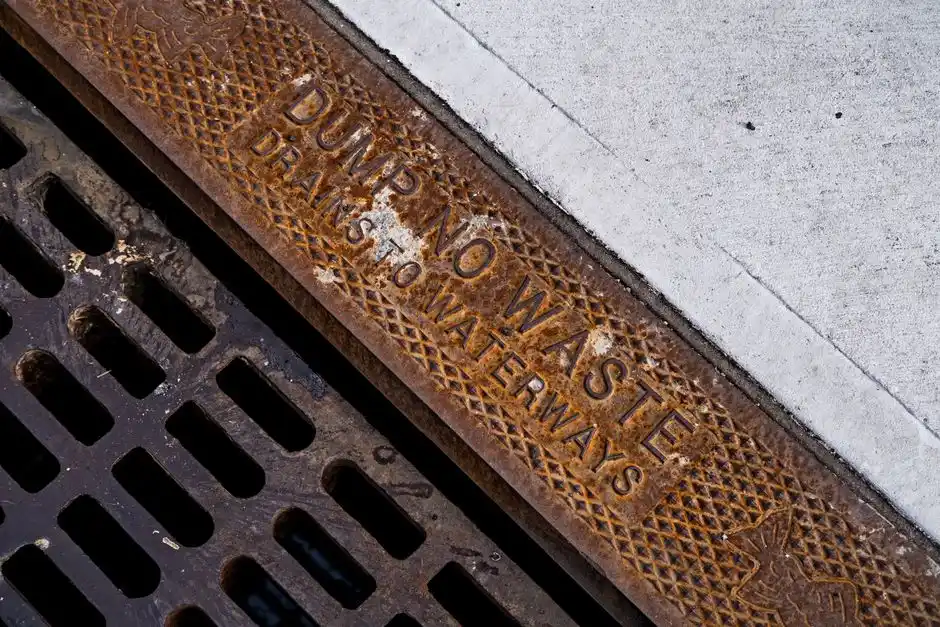
Close-up of a rusty drainage grate with environmental warning text on concrete sidewalk
Licensed Licensed & Bonded
Fully Insured Insured & Bonded
24/7 Emergency Same-Day Response
Warranty Backed Workmanship Guaranteed

What Storm Drain Service Includes

Our work can cover inspection, cleaning, new pipe installation, damaged-line repair, catch basin replacement, and flow testing. We define the repair around the source of the water and the route it must travel. Surface restoration, extensive concrete replacement, and complex changes to discharge connections are planned according to site conditions and applicable local requirements.

Drainage Site Assessment

We document where water gathers, inspect visible inlets, and check grades from the problem area toward the intended outlet. If the route is buried or unclear, we locate and inspect it before deciding whether cleaning, repair, or replacement is the right next step.
Pipe and Inlet Work

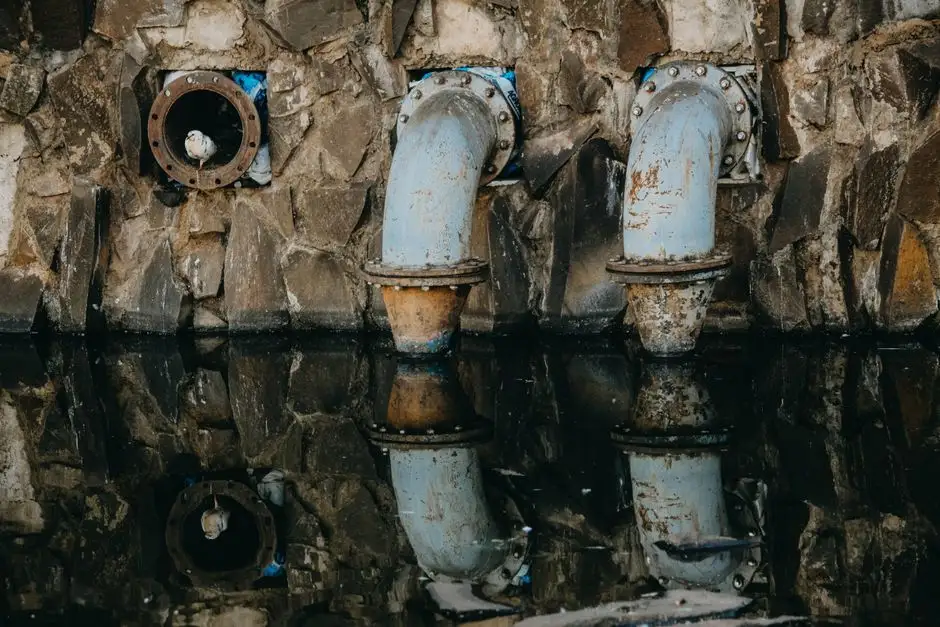
We install or repair storm drain pipe, fittings, cleanouts, and catch basins according to the site layout. Materials may include solid PVC pipe or corrugated HDPE drain pipe where the design and burial conditions call for it, with connections checked for fit and flow.

Excavation and Bedding

Our crew exposes the required section, prepares the trench, and supports the pipe with suitable drainage gravel or washed rock where specified. We maintain the planned elevation and protect open excavation, then backfill carefully to reduce settlement and preserve the intended grade.

Flow Test and Handover

We run water through the completed system, check the catch basin and outlet, and look for backup or leakage at accessible connections. Before leaving, we point out cleanouts and explain how to remove leaves and sediment so you can keep the route clear.

Storm Drain Installation and Repair in California


Storm Drain Installation and Repair in California is a drainage construction service that collects surface runoff and carries it through a planned, maintained route away from buildings and paved areas. We assess grading, identify where water enters and exits, then install or restore catch basins, pipe, fittings, and discharge points. A pipe inspection camera helps us find breaks, roots, separated joints, and sediment without guessing. For buried lines, we use a locating sonde and receiver to mark the route before excavation, reducing unnecessary disruption to lawns, walks, and planting beds.

California properties face long dry periods followed by intense winter storms, with local soil, slope, and municipal requirements changing from region to region. A clogged catch basin, poor surface grading, or undersized outlet can turn one downpour into foundation water pooling or erosion from uncontrolled runoff. Our storm drain contractor California service connects the observed problem to the right repair, rather than treating every wet yard as a pipe failure. For homeowners searching for storm drain installation and repair for residential properties in California, we check both the collection point and the route water must follow.

What to Expect From the Work

Our process starts with the water problem you see and follows it through the buried route to the outlet. We explain each step in plain language, protect the work area, and test the completed line before wrapping up. Straightforward repairs can take hours; excavation and replacement work takes longer according to depth and access.

01

Schedule

Call or book online — a real human picks up and confirms a 2-hour arrival window.

02

Diagnose

Licensed tech inspects on-site, then walks you through the cause and your options.

03

Fix

The job is completed to code and done right the first time — no shortcuts, no surprises.

04

Guarantee

Every job backed by a written workmanship warranty — and we stand behind it.

Tools and Drainage Methods

Tools & Equipment

Pipe inspection camera

We send the camera through accessible storm drain lines to locate cracks, root intrusion, sediment, and displaced joints. The footage helps us target a repair instead of excavating an entire run.

Locating sonde and receiver

The sonde travels through a drain line and the receiver tracks its position from the surface. We mark the route and approximate problem location before digging around finished landscaping.

Laser level

We check trench and inlet elevations during installation so water can move through the planned route. Grade measurements help prevent low spots that hold sediment or slow drainage.

Mini excavator

Where access and ground conditions allow, a mini excavator opens a repair trench with controlled reach. We use it to expose pipe, replace damaged sections, and reduce unnecessary disturbance.

Hydro jetter

A hydro jetter clears compacted sediment and debris from suitable drain lines. We inspect the pipe first and choose the cleaning method based on its condition, so cleaning does not substitute for repairing a broken line.

NDS catch basin

NDS catch basin components provide an accessible collection point for surface runoff and debris. We select and set the basin to suit the site layout, connect its outlet, and verify water enters and drains correctly.

Methods & Standards

Camera-led diagnosis

We inspect the inside of an accessible line before choosing between cleaning and excavation. The camera shows the location and type of obstruction or damage; a locator then marks that position above ground. This method narrows the repair area and gives you a clear reason for the work proposed.

Grade-controlled installation

We establish inlet and outlet elevations before installing pipe, using a laser level or transit level to maintain the designed fall. Bedding supports the pipe, and connections are checked as the line is assembled. A water test confirms the route carries flow without holding water at a low point.

Catch basin flow testing

We inspect the grate, sump, outlet, and surrounding grade, then introduce water to check how quickly the basin receives and releases it. If the basin fills but does not drain, we investigate the connected line. This separates an inlet problem from a downstream blockage.

Material and code coordination

We match pipe, fittings, and geotextile fabric to the drainage design and site conditions. Installation follows applicable local stormwater management requirements, California Building Standards Code provisions, and relevant ASTM standards for drainage geotextiles and pipe. Where the work affects public connections or grading, we account for the required local review.

When Your Property Needs Drain Work

01

A winter storm leaves water at the garage threshold and the existing yard inlet drains slowly.

What we do: We clear and inspect the inlet, camera-check the connecting line, and locate the pipe if the route is uncertain. If the line is intact, we remove the obstruction and confirm the outlet is open. If a damaged section is visible, we repair that section and test the full path.

→ Water enters the inlet and moves away from the garage instead of spreading across the threshold. You also know which access point to check after leaves or sediment collect.

02

A home renovation adds a patio, but the new hard surface directs rain toward the house.

What we do: We assess the finished elevations and identify where sheet flow concentrates. Our team positions a channel drain or catch basin, connects it to a suitable storm line, and checks the outlet. We coordinate the drain placement with the paving layout so the grate sits flush and remains accessible.

→ The drain intercepts runoff before it reaches the wall, while the patio remains usable. A flow test verifies collection and discharge before the work area is handed back.

03

A property manager sees repeated pooling around a shared parking area after rain.

What we do: We inspect the area drains, remove sediment, and camera-check the connected pipe for a blockage or failed joint. Where the basin is damaged or too high, we reset or replace it. We test each collection point and confirm that runoff reaches the intended outlet.

→ The low area clears more effectively, reducing standing water across the shared walkway. Accessible basins also make scheduled maintenance easier for the property team.

04

A hillside yard sends concentrated runoff through a narrow path and erodes soil near the property edge.

What we do: We map the surface flow and check elevations at the proposed collection point and discharge route. A suitable inlet or channel drain captures concentrated water, while the buried line carries it to an appropriate outlet. We avoid routing discharge onto unstable soil or another vulnerable area.

→ Runoff follows a defined path instead of cutting through the yard. The repaired grade and tested drain reduce recurring erosion during seasonal rain.

How Storm Drain Work Fits California Sites

California drainage work has to account for more than rainfall totals. Coastal properties face windblown debris and compacted urban lots; inland areas can go through long dry stretches before concentrated winter runoff tests a system. Foothill slopes add velocity and erosion risk, while valley soils and flat yards can hold water where the pipe lacks fall. We inspect the site, identify the local discharge route, and plan stormwater management system installation California properties can maintain. Our process also accounts for local stormwater management requirements and California Building Standards Code provisions that apply to the specific work. For storm drain repair for heavy rain runoff in California, we check the inlet, buried line, and outlet together. That matters in older neighborhoods where additions, paving, and changed yard grades have altered the original path. We set elevations with a laser level, protect existing utilities before excavation, and test the repaired route before backfilling. The result is a system built for the actual lot, not a generic detail copied from another region.

Neighborhoods We Serve

  • Coastal neighborhoods

    Compact lots and hardscape can send roof and patio runoff toward narrow side yards. We check inlet access and outlet routing before trenching.

  • Foothill communities

    Sloped parcels concentrate water and can erode exposed soil. We locate the collection point and verify a stable discharge path before connecting the line.

  • Central Valley subdivisions

    Broad, flatter yards can hide small grade changes that stop a drain from flowing. We measure elevations and confirm the outlet has usable fall.

  • Established urban blocks

    Older paving, additions, and mature landscaping may cover existing drain routes. Camera inspection and line locating help limit disruption.

Local Conditions We Plan For

  • Long dry periods followed by concentrated winter rain

    Leaves, dust, and sediment can accumulate while drains sit unused. We inspect inlets and test lines before the rainy season so a blockage is found before runoff reaches a doorway or garage.

  • Steep grades above homes and paved areas

    Fast-moving runoff can overwhelm a poorly placed inlet and carry soil into the pipe. We assess the flow path, select a collection point, and confirm the outlet will not create a new erosion problem.

  • Flat lots with compacted or slow-draining soil

    Water may remain on the surface even when the pipe is clear if the inlet sits above the low point or the line has insufficient fall. We measure elevations and adjust the collection layout to address the actual constraint.

Garage-Side Ponding Corrected

Before

A homeowner had a recurring puddle beside the garage after ordinary winter rain. The catch basin appeared clear, but water stayed near the slab for hours. A camera inspection found a separated joint several feet beyond the inlet, allowing soil and debris into the line and reducing flow toward the outlet.

After

We replaced the damaged section, reset the inlet to match the surrounding grade, and flushed the route. A measured water test cleared the basin in minutes with no visible backup at the repaired joint. The garage-side low point drained rather than holding a broad puddle against the wall.

Maintenance: Remove leaves from the grate before the rainy season and after heavy winds. Check the basin after the first substantial storm; if water remains, arrange an inspection before sediment hardens inside the line.

Before

A newly paved patio sloped toward a back door, leaving a shallow sheet of water across the threshold during storms. The property had no collection point at the low edge, and the existing yard drain was too far away to intercept the flow before it reached the house.

After

We installed a channel drain across the low edge, connected it to a storm line, and tested the outlet with a steady water flow. The grate captured runoff before it reached the threshold, and the patio surface cleared without water crossing the doorway. The system remained accessible for cleaning.

Maintenance: Lift or clear surface debris from the channel grate each month during leaf season. Keep the outlet route clear and check the connection after the first major rain to confirm the channel empties normally.

Before

A shared paved area developed standing water around a catch basin, forcing residents to walk through a broad puddle. The grate was intact, but a buildup in the outlet and a shifted connection restricted flow. Previous surface cleaning had not addressed the buried problem.

After

We cleared the basin outlet, inspected the connected line, and repaired the shifted coupling. A flow test showed water entering the basin and reaching the discharge point without backing up. The repaired access point now allows routine debris removal before the next wet season.

Maintenance: Schedule a basin cleanout at least twice a year, especially after leaf fall and before winter storms. Remove litter from the grate and report slow drawdown early, before debris compacts in the outlet.

Stop Runoff Problems at Their Source

A drain that backs up is often a symptom of a blockage, failed connection, poor grade, or outlet problem. We follow the water path rather than treating the wettest spot alone. For homeowners comparing the cost to install a residential storm drain in California, a proper site assessment first establishes what the system actually needs.

Problem

A clogged catch basin spills water across the walkway

Debris-filled basins slow inflow, spread runoff over paving, and can leave a slick surface at entrances. Continued overflow may carry sediment into the next section of pipe.

Our Fix

We open the basin, remove accumulated debris, and check the outlet for a blockage or damaged connection. If the basin is cracked or set too high for the surrounding grade, we repair or reset it. We finish by running water through the inlet so you can see the system clear the surface.

Problem

A storm drain backup sends water toward the foundation

A backed-up line can redirect stormwater to the same low point beside your home. Repeated pooling wets soil near the structure and may affect nearby paving or stored items.

Our Fix

We inspect the line with a camera, locate the affected section, and use a drain snake or hydro jetter when debris is the cause. If the camera shows a break or separated joint, we expose and repair that section. We test the line under flow before closing the excavation.

Problem

Poor surface grading leaves a soggy lawn

A low area can hold water long after rainfall ends, damaging turf and making the yard difficult to use. Adding a pipe without correcting the collection point may leave the same standing water behind.

Our Fix

We check the lawn elevations and identify where runoff enters the low area. Depending on the site, we adjust the inlet location, improve the collection point, or add a properly routed drain. We verify the fall and test the route so water has a clear path away from the lawn.

Problem

Uncontrolled runoff cuts channels through planting beds

Fast water flowing across exposed soil can wash mulch away, expose roots, and undermine edging. Each storm may deepen the erosion if the flow path remains unchanged.

Our Fix

We trace the runoff from its source, then intercept it with an appropriately placed inlet or channel drain. We connect the collection point to a suitable conveyance route and stabilize the disturbed area. The final water test confirms that flow enters the drain rather than continuing through the bed.

Benefits You Can Measure

Benefits You Can Measure

A correctly routed drain gives stormwater a clear path before it reaches your home, garage, or walkways. We focus on measurable flow, serviceable access, and materials suited to the site, so you know what changed and how to keep the system working through the next rainy season.

  • Less Standing Water

    We correct the entry point, line, or grade that leaves water trapped across your yard. A properly sized catch basin and unobstructed pipe move runoff toward an approved outlet instead of letting it sit for days. That means less soggy lawn, fewer muddy paths, and a clearer way to inspect the drainage after a storm.

  • Protect Building Edges

    Water collecting beside a foundation can stain walls, soften soil, and find its way into low openings. We redirect roof and surface runoff before it pools against the structure. A tested discharge route helps reduce repeated wetting at the same wall, especially where paving or compacted soil sends water back toward the building.

  • Repairs Based on Evidence

    A camera inspection and line location show whether a drain needs cleaning, a spot repair, or replacement. We explain what the inspection reveals and avoid digging an entire route when damage is limited to one joint or section. That targeted approach keeps more of your landscape intact and links the repair directly to the cause.

  • A System That Stays Serviceable

    Access points matter as much as buried pipe. We place or restore cleanouts and catch basins so debris can be removed before a storm drain backup develops. With accessible components, you can schedule seasonal checks, clear leaves after autumn storms, and spot a slow drain before water reaches the house.

Licensing and Work Standards

Licensed & Certified

  • California State Contractor License — issued by California Contractors State License Board
  • C-36 Plumbing Contractor classification — issued by California Contractors State License Board
  • C-8 Concrete Contractor classification — issued by California Contractors State License Board
  • OSHA excavation safety requirements — issued by Occupational Safety and Health Administration

Verified Reviews

Google ★★★★★5.0

They found the broken joint instead of telling us to replace the entire drain. The crew marked the line, opened one section, and tested the repair with water. Our side yard no longer holds a puddle after rain, and the cleanout is easy to reach.

Yelp ★★★★★5.0

The patio drain kept backing up, and we could not tell whether the basin or pipe was the problem. The team inspected both, cleared the outlet, and showed us the water moving through the line. They left the work area tidy and explained how to keep leaves out.

Google ★★★★★5.0

Our driveway runoff used to cross the walkway and collect by the garage. The crew added a collection point, connected it to the drain, and checked the flow before finishing. The first storm after the work passed without water reaching the door.

Drainage Work Built on Field Checks

Our team approaches each property as a connected drainage system, not a single hole or pipe. We combine surface-grade observations, camera inspection, line locating, and elevation checks to pinpoint why water is collecting and where it can be routed safely. Work is planned around applicable California Building Standards Code provisions and local stormwater management requirements. Our technicians use excavation equipment suited to the site, from a trenching machine for an open run to a mini excavator where access allows. We explain the repair choice before work starts and test the completed route with water.

  • Camera inspection identifies cracks, roots, sediment, and separated joints before we recommend excavation.
  • A locating sonde and receiver marks buried pipe routes to limit unnecessary digging across finished landscaping.
  • We use a laser level or transit level to check elevations and maintain consistent drainage fall.
  • Our crew follows OSHA excavation safety requirements and secures open trenches during the workday.
  • Pipe and geotextile selections are matched to site conditions and applicable ASTM standards for drainage materials.
Get Started Today
Drainage Work Built on Field Checks

Cities We Serve Across California

We deliver Storm Drain Installation and Repair across California, adapting the inspection and installation plan to each property's grade, soil, storm pattern, and local requirements. Our stormwater drainage system services in California cover coastal communities, inland valleys, foothill areas, and dense urban neighborhoods. The cities below represent a sample of our coverage; we also serve nearby communities throughout the state. Tell us where water collects, and we will identify the next practical step.

Concord

We inspect low yard areas, driveway drains, and buried lines in Concord, then correct blocked or damaged sections and test the route before backfilling.

Santa Ana

Our Santa Ana service addresses runoff across compact lots and paved yards, with careful inlet placement and discharge planning around existing structures.

Santa Barbara

In Santa Barbara, we assess sloped parcels and concentrated runoff, setting collection points to reduce erosion and carry water to a suitable outlet.

Garden Grove

We troubleshoot standing water around patios, walkways, and garages in Garden Grove by checking basin condition, pipe flow, and surface grade together.

Fairfield

For Fairfield properties, we locate buried drain routes and repair failed joints or clogged inlets, then verify the line carries water without backing up.

Clovis

Our Clovis work includes residential catch basins and yard drain lines where seasonal runoff collects at low points or beside paved areas.

Temecula

In Temecula, we plan drainage around sloped lots and fast surface flow, checking the outlet so a new drain does not shift erosion elsewhere.

Burbank

We inspect older and updated properties in Burbank for buried line failures, blocked catch basins, and runoff redirected by new paving.

Arden-Arcade

Our Arden-Arcade service checks yard grades, inlets, and connected pipe to resolve recurring puddles before winter rainfall tests the system.

Citrus Heights

We repair storm drain lines and collection points in Citrus Heights, using camera inspection to target underground damage and limit landscape disruption.

Buena Park

In Buena Park, we address runoff crossing driveways and patios by setting accessible inlets and testing their connection to the storm line.

Milpitas

We evaluate Milpitas properties for slow drains, compacted ground, and grade changes, then restore flow with a repair matched to the site.

Lodi

Our Lodi work focuses on clear collection points and properly graded pipe routes that move stormwater away from lawns, structures, and paved areas.

Redondo Beach

We plan Redondo Beach drain repairs around compact coastal lots, hardscape, and accessible discharge routes, testing every repaired line before completion.

South San Francisco

In South San Francisco, we trace runoff on sloped and paved properties, locate buried lines, and repair inlets or pipe sections causing backup.

Storm Drain Questions, Answered

Real answers to the questions we hear most often from local homeowners and property managers.

How much does storm drain installation cost in California?
In 2026, residential storm drain work commonly ranges from $1,500 to $12,000, depending on length, depth, access, and restoration. A short, accessible repair costs less than replacing a deep line beneath concrete or adding several inlets. We inspect the route, identify the required materials, and give you upfront pricing before work starts. For a useful cost comparison, ask about the pipe length, excavation depth, catch basin count, and surface restoration included.
Who repairs residential storm drains near me in California?
A drainage contractor experienced with buried stormwater lines can inspect, locate, and repair a residential drain. We use camera inspection and line locating to identify a blockage, broken joint, or collapsed section before recommending a repair. Search for storm drain installers near me in California, then confirm the contractor understands local permit requirements and has the equipment to test the outlet. We serve homeowners across California and explain the findings in straightforward terms.
Do storm drain repairs require a permit in California?
Some storm drain repairs require a permit, especially when work changes a connection, affects public right-of-way, alters grading, or involves significant excavation. Requirements vary by city and project conditions, so we check the applicable local stormwater management requirements before work. A like-for-like private-line repair may follow different rules from a new discharge connection. We identify the relevant review steps for your site and plan the work accordingly.
How can a stormwater drain reduce yard flooding?
A stormwater drain reduces yard flooding by collecting runoff at low points and carrying it through a sloped pipe to a suitable discharge location. The inlet must sit where water actually gathers, and the route needs enough fall to move flow without holding sediment. We check grading, catch basin condition, and outlet capacity, then correct the blockage or layout causing the water to remain. A clear, tested line helps keep rainwater off lawns and away from foundations.

Drainage Services That Work Together

Yard Drainage Inspection and Diagnosis

We trace standing water from the visible low point to its source, using camera inspection and line location where needed. For California properties, diagnosis helps determine whether a storm drain needs cleaning, a spot repair, or a complete route change before excavation begins.

View Yard Drainage Inspection and Diagnosis

Yard Drainage Repair

A blocked inlet, separated fitting, or damaged underground line can interrupt a storm drain system. We identify the failure and repair the affected section, then run water through the line to confirm the fix moves runoff instead of sending it back toward your home.

View Yard Drainage Repair

Yard Drainage Installation

New drains are planned around surface grade, roof runoff, and a workable discharge point. We set elevations, install the pipe and inlets, and test the route. This service supports new landscaping or construction where existing grades leave water trapped.

View Yard Drainage Installation

Landscape Drainage Solutions

Landscape drainage combines surface shaping, inlets, and buried conveyance to manage water without sacrificing usable outdoor space. We check planting beds, patios, and lawn transitions so a storm drain addresses the whole runoff pattern rather than creating a new wet spot.

View Landscape Drainage Solutions

French Drain Installation and Repair

A French drain collects subsurface water through a gravel-and-pipe trench, while a storm drain usually carries surface runoff from inlets. We assess which source is causing the problem and connect the right system only when the site design supports it.

View French Drain Installation and Repair

Trench Drain Installation and Repair

Trench drains intercept sheet flow across driveways, garage thresholds, and paved walkways. We set the channel at the correct elevation, connect its outlet to a suitable storm line, and check that the grate captures water without obstructing access.

View Trench Drain Installation and Repair

Plan Storm Drain Installation and Repair in California

Stop recurring ponding before the next storm reaches your foundation or driveway. Our team inspects the route, explains the repair, and tests the finished system. Call Northern California Drainage Experts at +13103881903 to discuss your property and arrange the next step.

Call Now Schedule Inspection

Talk With Our Team

Tell us where water collects, when you first noticed it, and whether it follows rain or irrigation. Call Northern California Drainage Experts at +13103881903 to discuss yard drainage work across California. Our phone line is open Monday through Friday, 8:00 a.m. to 6:00 p.m.; we will hear the details and help identify the next step.

Or call us right now at +13103881903 — we answer.

Northern California Drainage Experts


  • Phone

    +13103881903
  • Address

    California

  • Hours

    Mon–Fri: 7AM – 7PM
    Sat: 8AM – 4PM
    Sun: Emergency Only
    24/7 Emergency Available

Call +13103881903 Get Quote
Call Quote