Residential Yard Drainage Repair in San Dimas
Residential drainage issues in San Dimas often involve a lawn that stays soft, water crossing a driveway or an old inlet hidden in established landscaping. The city's housing includes older homes, mid-century properties and newer houses, so drain layouts and access differ by lot. We inspect where water begins, how the yard is graded and whether the outlet is clear before recommending a repair. Yard drainage installation is available when an existing system cannot collect or convey runoff properly. You should not have to avoid part of your yard after every storm. We plan around gates, patios, planting and family access, then keep the work area focused on the drainage route. Our crew tests the finished system and explains what to check at the next rain. If water is approaching a garage or building edge, tell us when you call so we can prioritize the affected area.
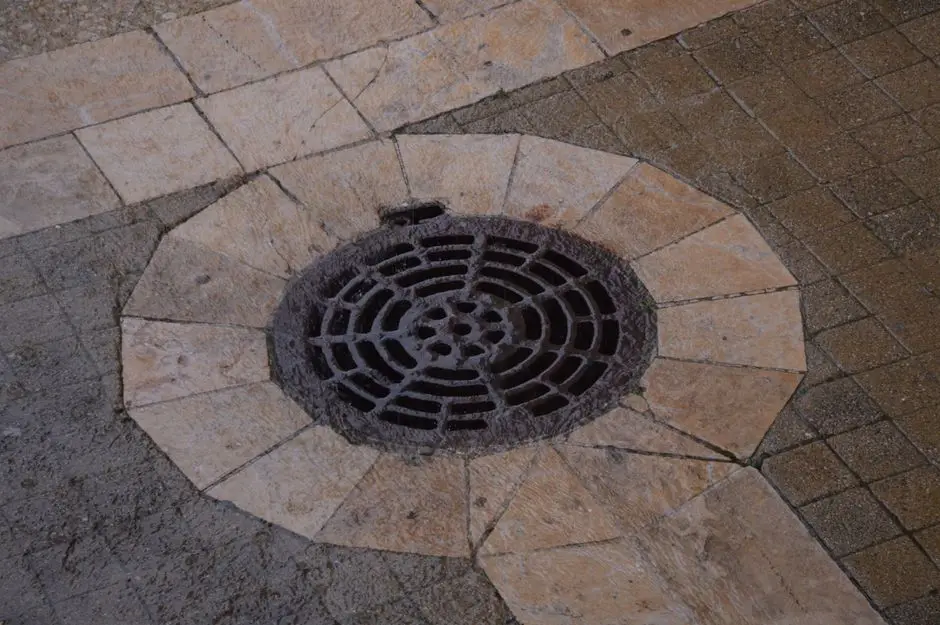
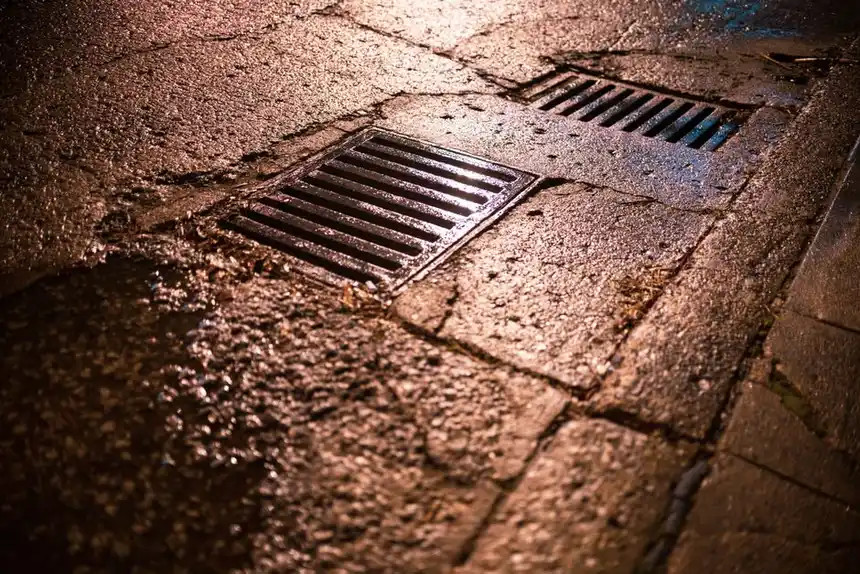
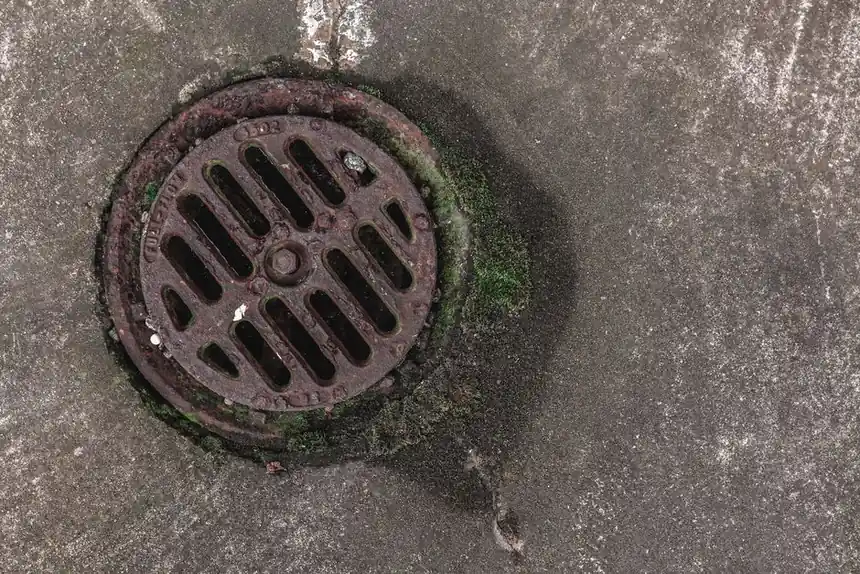
- Repair a blocked yard drain — We clear and inspect blocked drains at San Dimas homes, checking the basin, connected pipe and discharge point instead of stopping at the grate. If debris is the only restriction, we restore flow and test it. If the line is damaged, we identify the affected section and explain the repair.
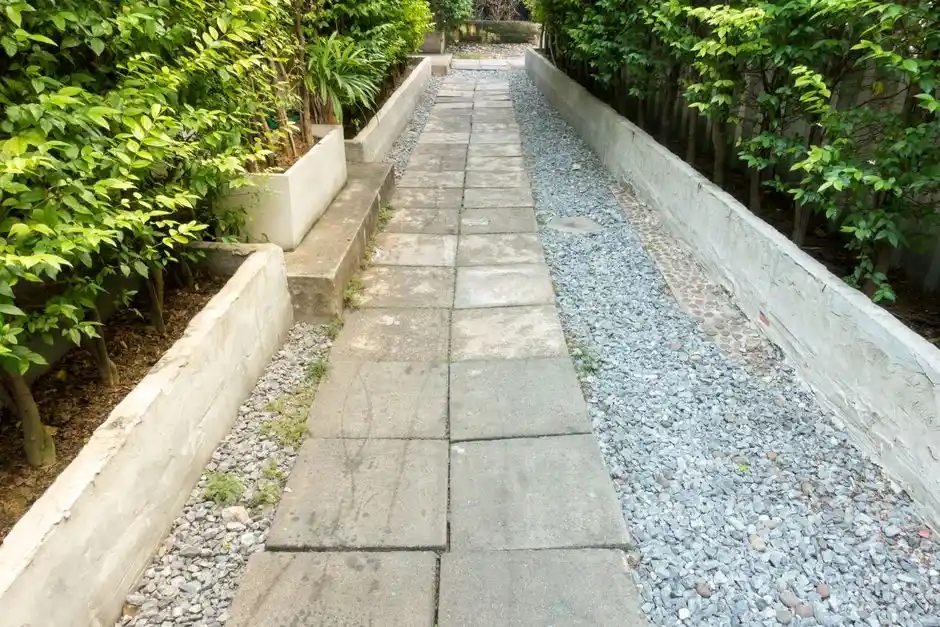
- Correct a lawn low point — A low lawn area can remain soggy even when the nearby drain is open. We measure the grade, identify where water collects and add or reposition collection where the site allows. Our San Dimas repair plan aims to move water without directing it toward your home or a neighboring lot.
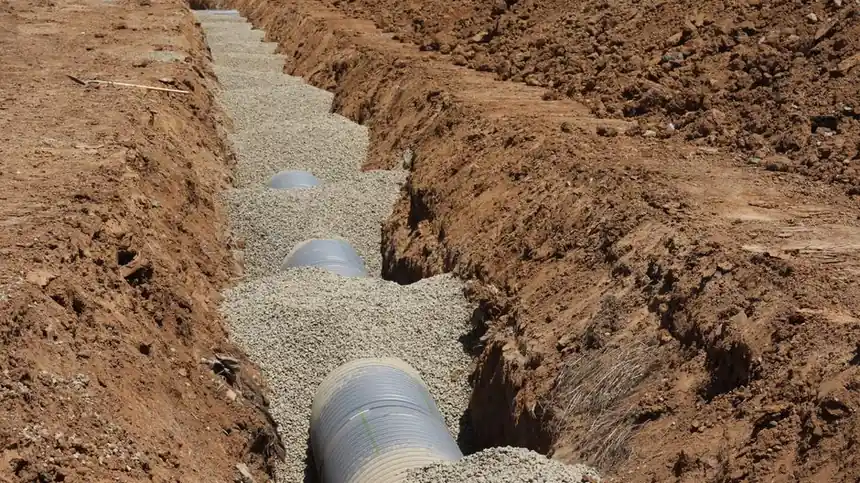
- Install a French drain — When soil stays saturated, we assess whether subsurface collection suits the San Dimas property and confirm a viable outlet. We install a properly graded trench with perforated pipe, drainage gravel and filter fabric where required. The route is tested before we restore the affected lawn or planting strip.
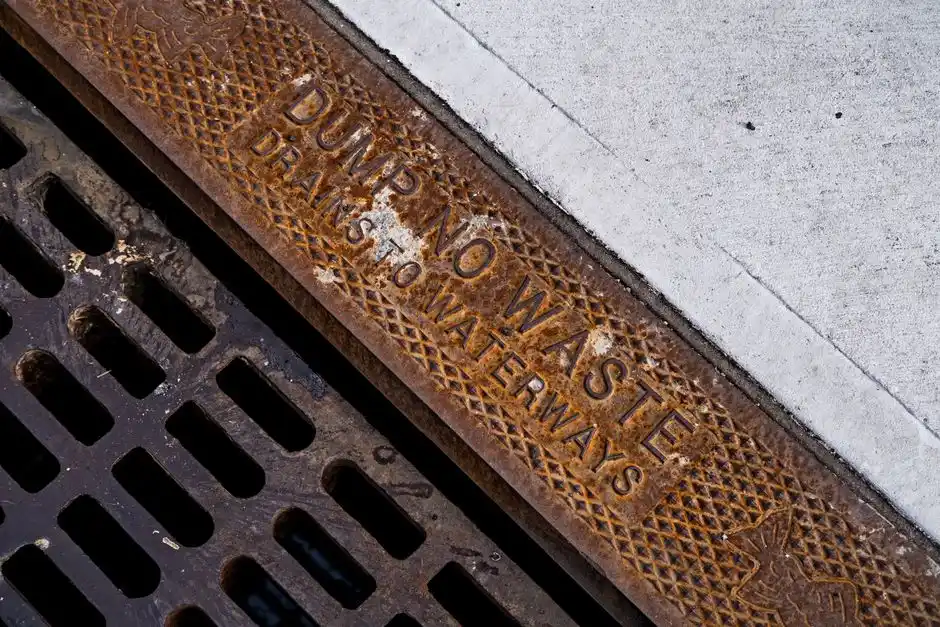
- Intercept driveway runoff — Runoff that crosses a driveway or walkway can be captured with a channel drain or area drain if the outlet can carry the flow. We check surface elevation, set the drain to the pavement and test the connection. That keeps collection at the water path instead of relying on a grate placed nearby.